// Programme
Agenda
July 17th
Day — July 17th
| 09:00 |
Registration & Coffee
logistics |
|
| 09:30 |
Opening Address — Welcome to the Open space Conference 2026
talkFraming the day: why OSC exists, what the open space movement is building, and what to expect. |
Adam Paigge
Supernova Labs |
| 09:50 |
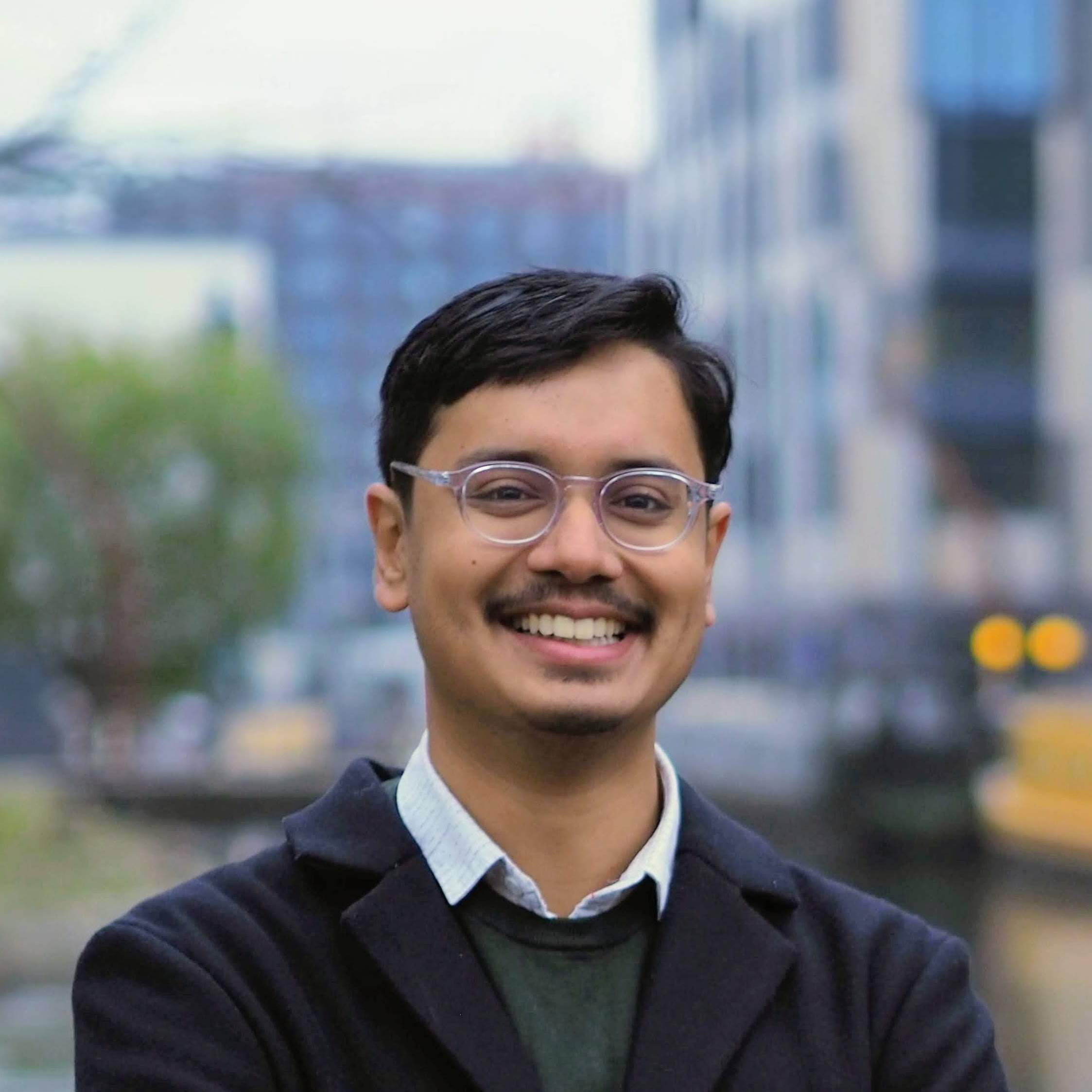
talkIt started with rope memory hand-woven by seamsters at MIT, flying astronauts to the Moon. Then came purpose-built flight computers voting five ways on every decision aboard the Shuttle. Then radiation-hardened chips launched in the 70s that are still calling home from interstellar space today. And somewhere along the way, the industry quietly stopped building exotic silicon and started flying the same Linux boxes and commodity chips we run on Earth.
This talk walks through how spacecraft computers actually got built, who built them, and why the machines keeping humans alive in orbit today look more like your laptop than anything NASA sent to the Moon. |
Akash Joshi |
| 10:20 |
EO a go go
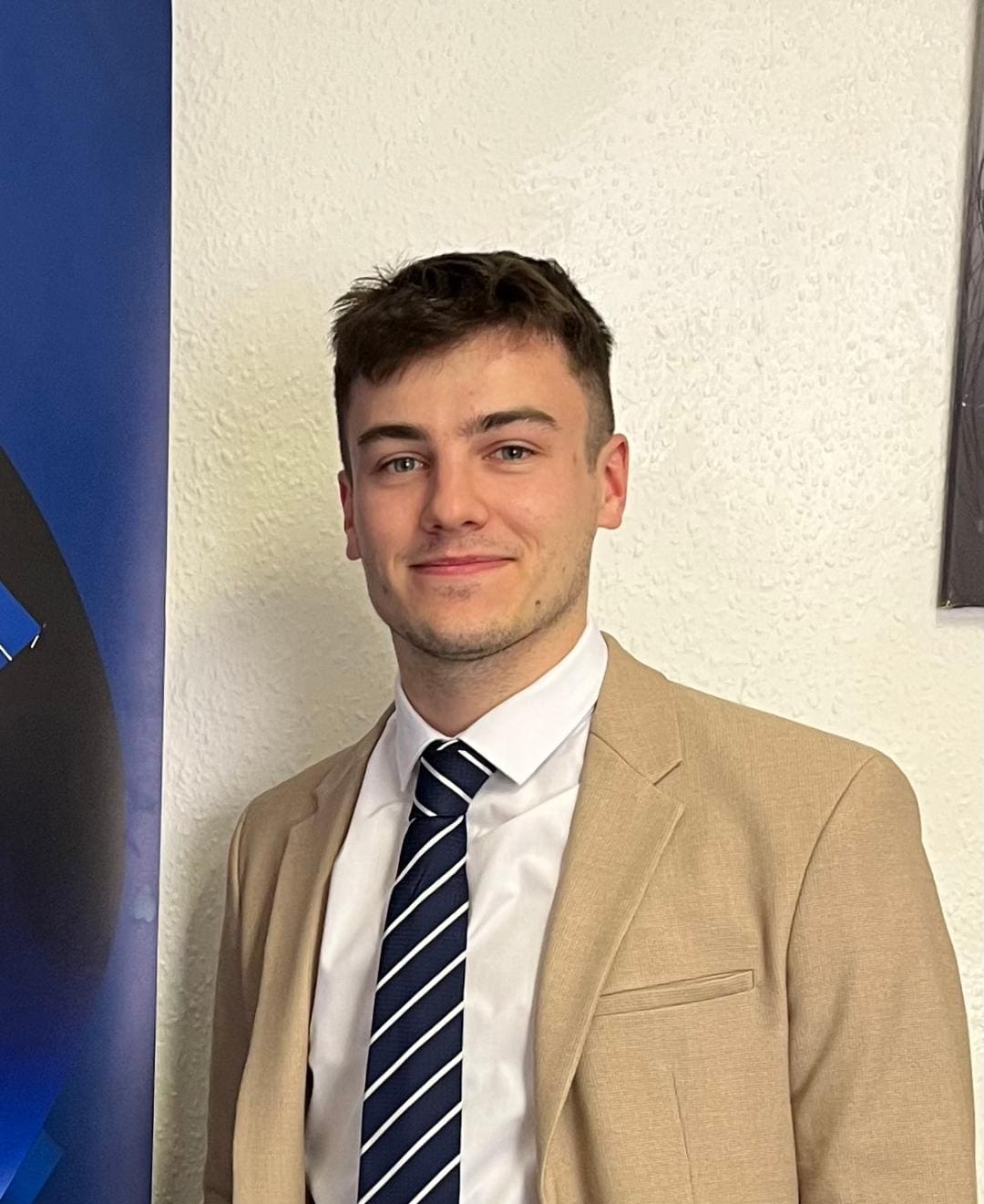
talkBlurb pending. |
John Knott |
| 10:50 |
Break |
|
| 11:10 |
When I grow up I want to be an Astronaut
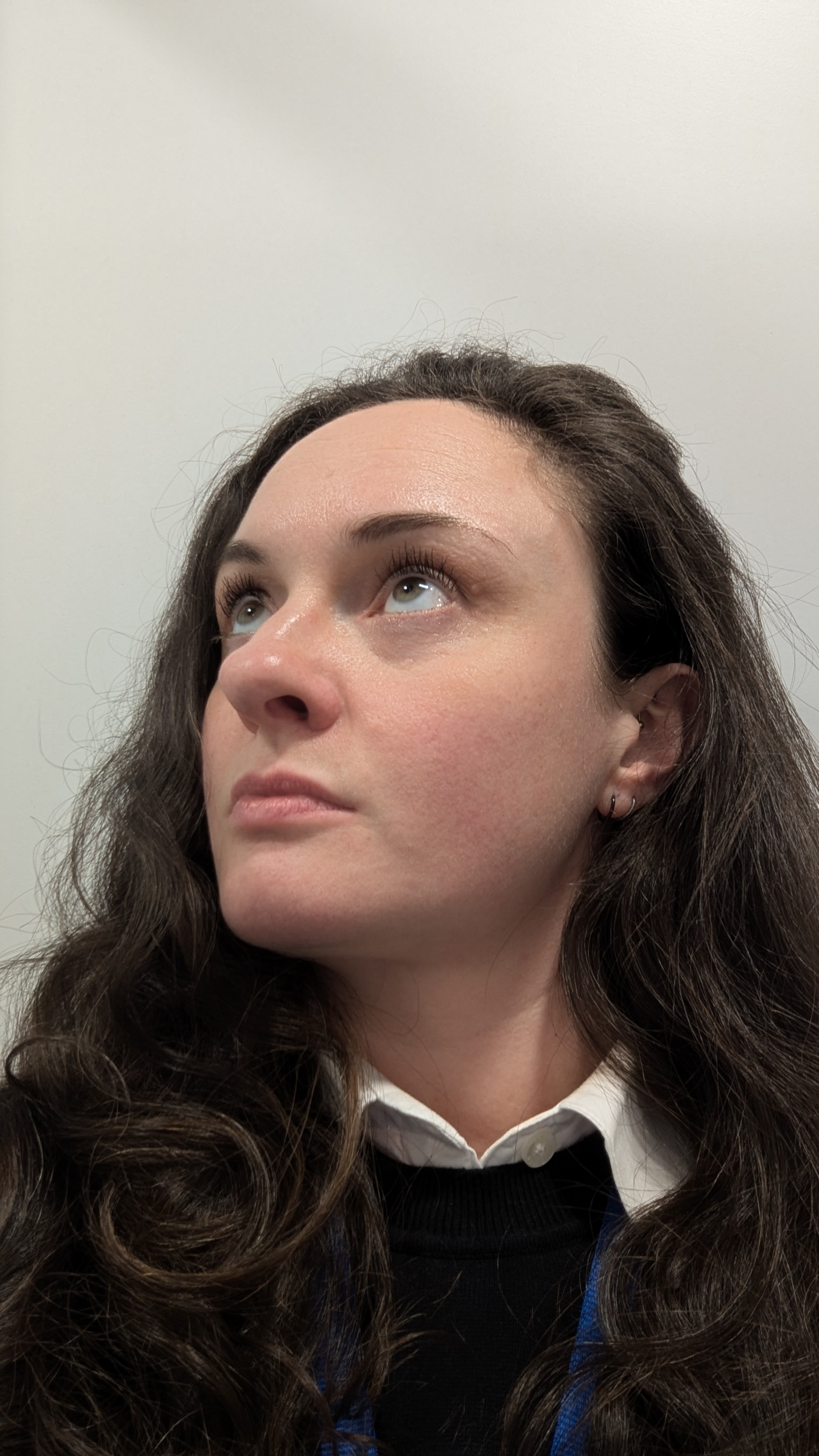
talkWhen I was little, I wanted to be an astronaut. A few decades later and I'm middle management in the public sector, not exactly what little Katie dreamed of.
But I never lost my passion for space and you don't even need to be an astronaut to get there.
The sector is young and full of potential. It hasn't yet been saturated with specialists so it's wide open for making the most of any transferrable skills you have and I want to make the most of that.
My goal is to inspire the next generation so that if not astronauts, they can still aspire to reach the stars. |
Katie Majerski |
| 11:40 |
One giant STRIDE for mankind
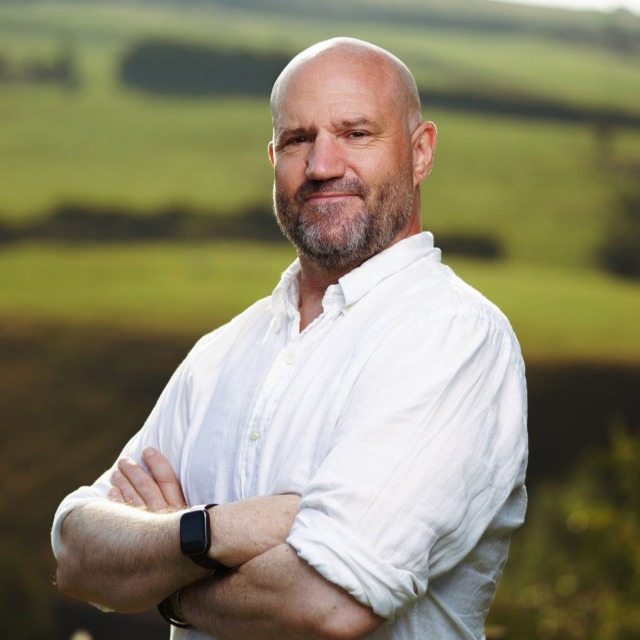
talkThe universe grows smaller every day, and the threat of online misuse anywhere, can no longer be tolerated. There must be cyber security for all, or no one is secure. Now, this does not mean giving up any freedom, except the freedom to act irresponsibly. Your ancestors knew this when they made laws to govern themselves and hired policemen to enforce them. Now, we of the other planets have long accepted this principle. We have an organization for the mutual protection of all planets and for the complete elimination of cyber attacks. The test of any such higher authority is, of course, the quality of of the technology that supports it. For our policemen, we are creating a race of AI – you might call it ‘Alleged Intelligence’. Their function is to reduce the vulnerabilities that criminals and hostile nation states may exploit and preserve the peace. In matters of cyber aggression, we are giving them absolute power over us. This power cannot be revoked. At the first indicators of compromise, they act automatically against the aggressor. The penalty for provoking their action is too terrible to risk. The result is, we live in peace, without SOCs of burnt-out analysts, secure in the knowledge that we are free from malware, data loss, and in accessible computers, free to pursue more... profitable enterprises. Now, we do not pretend to have achieved perfection, but we do have a system, and it works. I came here to give you these facts. It is no concern of ours how you run your own planet, but if you threaten to extend your crappy code, this Earth of yours will be reduced to a burned-out cinder. Your choice is simple: join us and live in peace, or pursue your present course and face obliteration. We shall be waiting for your answer. The decision rests with you.
|
Danny Dresner |
| 12:10 |
Unconference Pitches — chalk your talk on the whiteboard
unconference |
|
| 12:30 |
Lunch |
| \
| 13:30 |
Scotland: bigger in space than on the map
talk |
Euan Harvey |
| 14:30 |
Unconference Open Sessions — Block 1
unconference |
Community |
| 15:00 |
|
Break |
| 15:30 |
The Manchester Space Programme
talk |
Tony Fawl |
| 15:50 |
Unconference Open Sessions — Block 2
unconference |
Community |
| 16:50 |
Closing & Wrap-Up | D
|
| 17:00 |
Close |
|
Timings are provisional and may shift slightly closer to the day.
// Unconference
Afternoon sessions are yours to shape.
Fancy running your own session? Turn up, add your talk to the whiteboard, and we'll fit it into an open slot — no submission required in advance.